The Weight Leaders Carry When Grudges Take Root
3 mins read
Grudges occupy quiet corners of a leader's mind, shaping decisions long after the original offense has faded from everyone else's memory.
When resentment lingers, it becomes a lens through which actions, conversations, and intentions are interpreted.
The danger is subtle: the mind begins to replay forgotten moments, assigning fresh meaning to old conflicts and distorting present judgments.
Leaders who are unaware of this slow drift start making choices that feel justified internally but appear unpredictable externally, creating rifts they never intended.
Managing resentment requires steady inner discipline, a kind of internal leadership that parallels the outer one.
Holding onto anger feels like protection, but it often reinforces emotional strain already present in leadership roles.
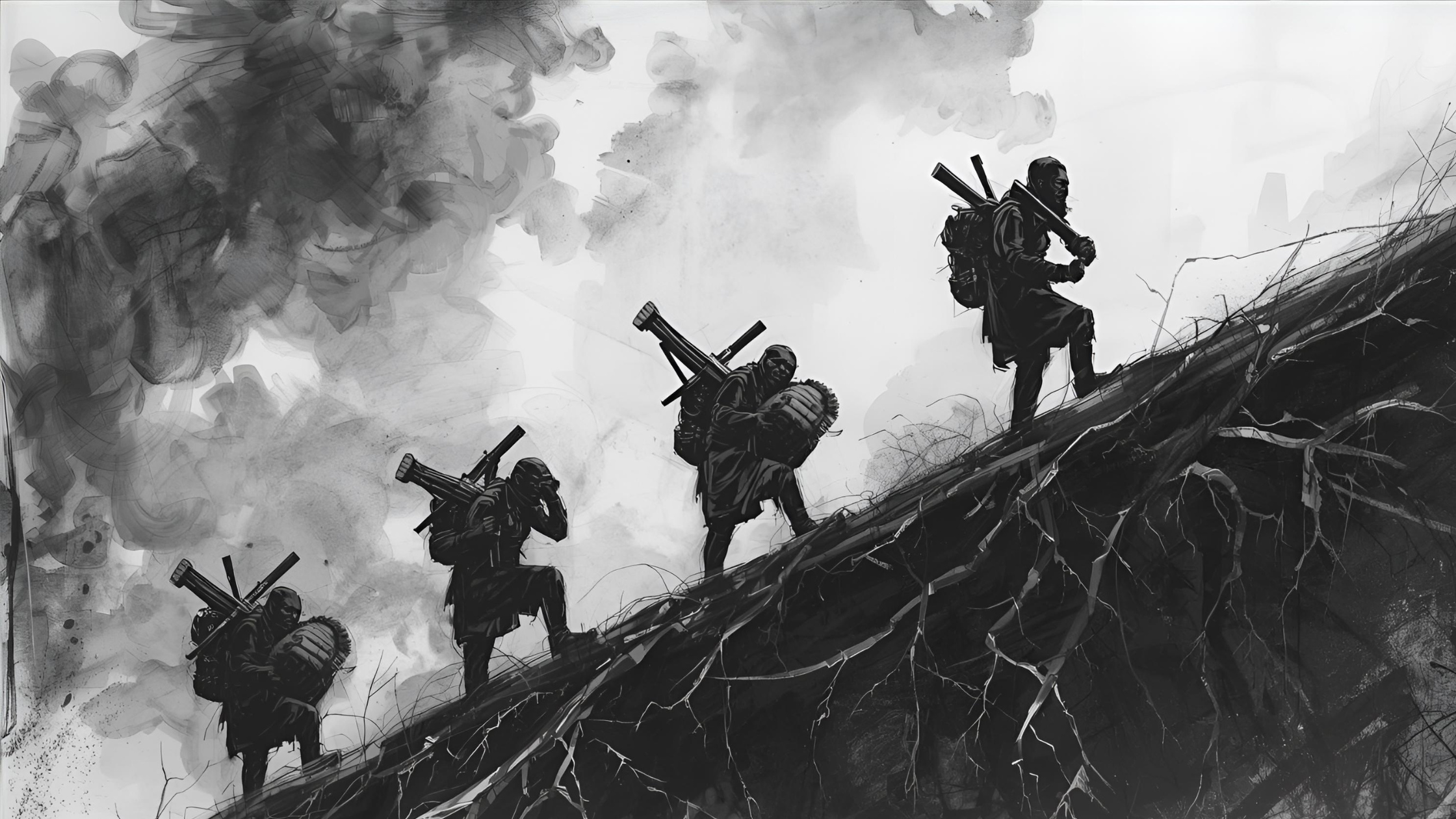
A leader who carries a grudge carries an unnecessary burden, one that leaks into tone, posture, and response patterns.
When the past continues to shape the present, clarity of thought diminishes, and the leader's sense of control narrows.
When Resentment Shapes the Environment
Grudges ripple outward.
A leader may believe the resentment is contained, but teams are keen observers of subtle shifts in behavior.
A harsher edge in feedback, a delayed decision, a loss of trust in someone who has already moved on, all of these small cues accumulate.
The environment becomes strained, and accountability, which is so essential for growth, weakens.
When people sense uneven standards or unresolved tensions, the sense of shared responsibility becomes harder to sustain.
A grudge also magnifies the temptation toward overcorrection.
Leaders may pull away from a person they resent, or they may lean into control to compensate for an internal sense of instability.
This can contribute to patterns similar to behaviors like micromanagement.
Resentment compresses perspective, encouraging leaders to focus on past offenses instead of present potential.
The tighter the focus, the smaller the field of possibility becomes.
Releasing the Internal Grip
Letting go of resentment is ultimately a question of leadership identity.
When a leader's outlook is governed by lingering offenses, the ability to set a stable emotional tone weakens.
Trust becomes conditional.
Decisions become reactive.
The weight of unresolved feelings interferes with the clarity needed to guide others through moments of pressure and uncertainty.
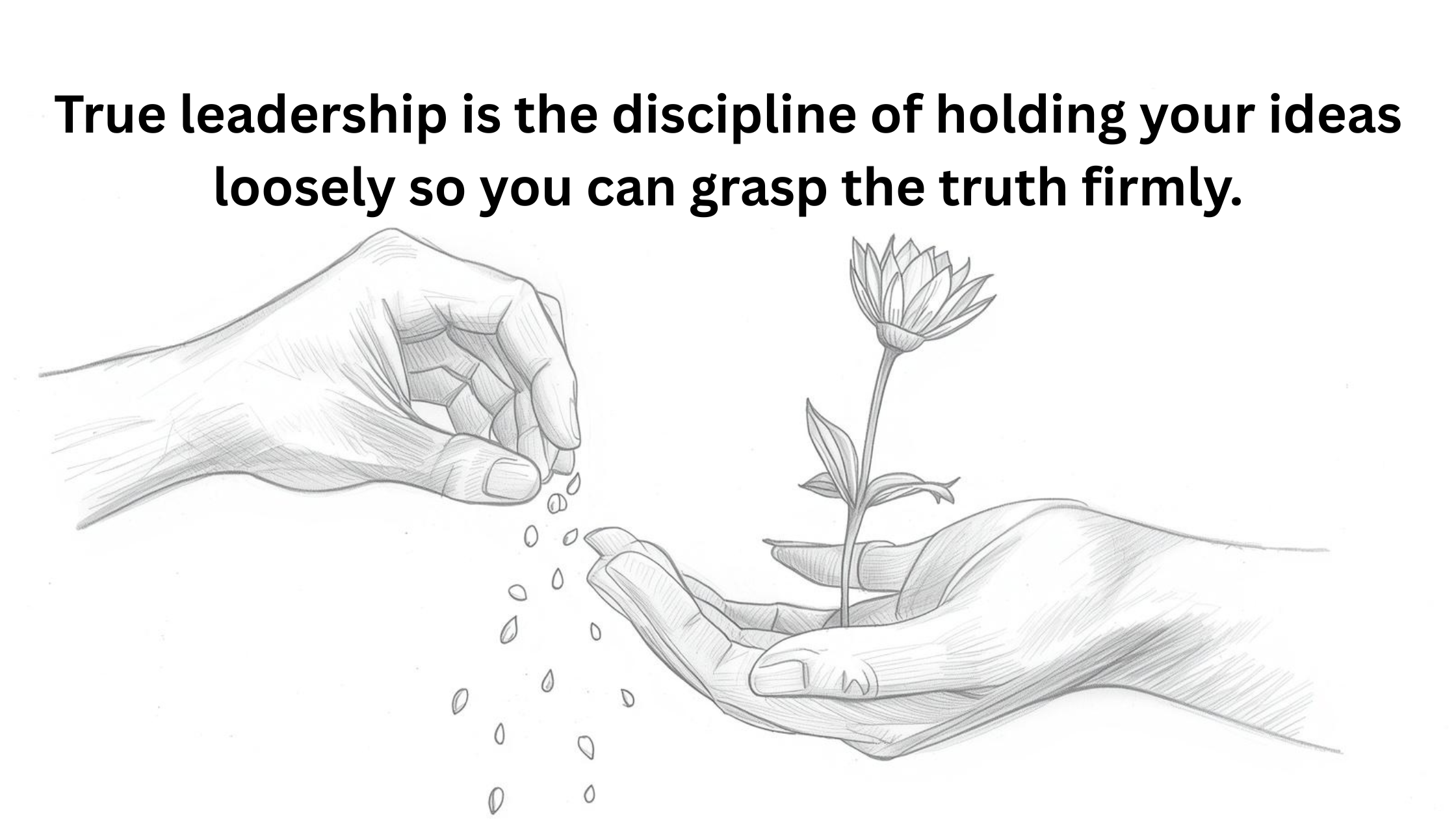
Releasing a grudge is not an act of surrender; it is an act of reclaiming inner stability.
A leader who chooses to release resentment creates space for steadier authority.
They regain the ability to act with consistency, offering feedback based on current observations rather than old narratives.
When past offenses stop shaping present interactions, the leader's actions become clearer, calmer, and more reliable.
The team responds to this steadiness with a renewing trust.
A grudge is a story that no longer serves its purpose.
Leaders who recognize this gain freedom from reactions anchored in the past.
They create room for new judgments, new connections, and new patterns of behavior.
By choosing to let go, they recover the emotional and cognitive space needed to lead with intention instead of impulse.
In doing so, they lighten the internal load and strengthen their capacity to influence with clarity and purpose.