
The Unwavering Edge: Discipline as the Anchor of Leadership
2 mins read
Discipline is the quiet force that separates fleeting ambition from lasting achievement.
Leadership is not about big declarations or sudden bursts of effort, but in the steady, deliberate choice to stay the course when distractions multiply and motivation wanes.
A disciplined leader understands that consistency outweighs intensity, that progress is often made in small, measured steps rather than leaps.
This steadiness builds credibility.
Teams learn to trust a leader whose behavior is predictable in principle and unwavering in focus, even amid shifting circumstances.
Mastery Over Self
To lead with discipline is to practice control, not over others, but over oneself.
It is the act of mastering impulses, curbing reactionary decisions, and replacing emotional turbulence with reasoned composure.
When faced with adversity or provocation, the disciplined leader pauses before acting, measuring the response rather than surrendering to the moment.
Such leaders create stability, not through dominance, but through the rare power of self-command.
Their restraint becomes an example, showing others that leadership is not about the loudest voice, but the calmest presence.
Aligning Intent with Action
Discipline also demands alignment between intent and action.
Many leaders possess vision.
The disciplined leader does not chase every new opportunity or bend to the latest trend.
Instead, they refine priorities and commit to them.
This requires a willingness to do what is necessary, even when enthusiasm fades.
This fading can cause the leader to stumble, to abandon principles when expedience tempts, and to neglect obligations when recognition is absent.
Through consistency, they teach their teams that reliability is not a constraint but a strength.
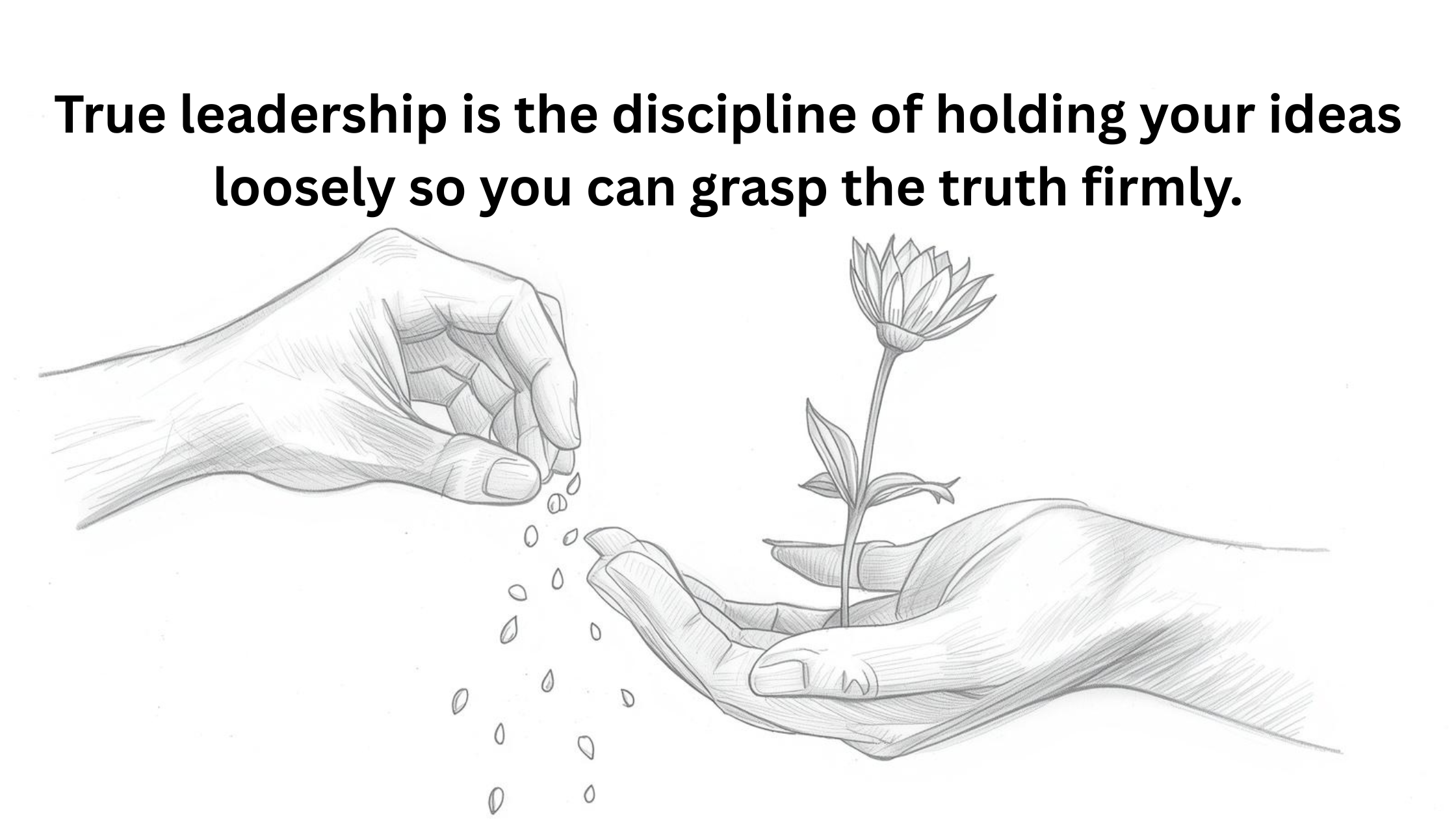
In leadership, discipline is not rigidity.
It is the art of balance.
It is the ability to adapt without abandoning purpose.
The disciplined leader listens, learns, and adjusts, yet never drifts from the core mission.
This balance creates confidence in uncertain times.
When others lose clarity, the leader's steadiness restores direction.
It is through this poise that organizations endure change without losing identity.
The Lasting Impact of Discipline
Discipline frees leaders from being ruled by emotion, impulse, or circumstance.
It turns chaos into order, uncertainty into focus, and ambition into sustained achievement.
It is the quiet practice that ensures a leader's values are not momentary choices but lifelong commitments, the foundation upon which trust, performance, and integrity are built on.