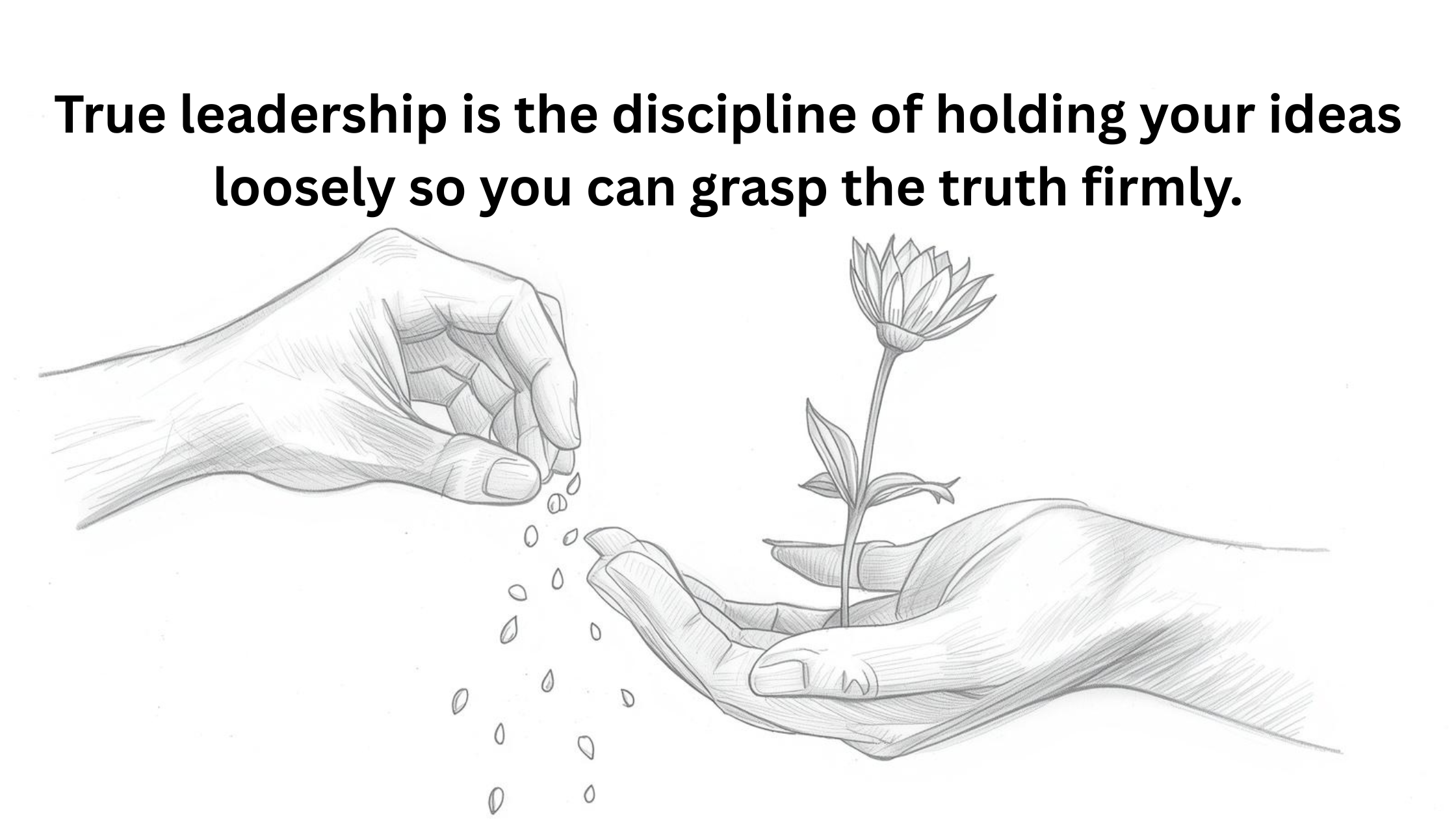

The Unshakable Leader: Embracing Objective Detachment
2 mins read
Navigating the Constant Storm
Leading in today's dynamic environment often feels like navigating a constant storm.
Leaders face relentless pressure, complex decisions, and a barrage of opinions.
Amidst this, the ability to remain objective and emotionally uninvolved in specific situations or outcomes becomes an invaluable asset.
This isn't about being aloof or uncaring; it's about developing a strategic distance that allows for clear thought and effective action.
True objective detachment empowers leaders to see circumstances for what they truly are, stripped of personal biases, fears, or desires.
When you are not overly invested in a particular result or emotionally swayed by immediate events, your capacity for rational judgment soars.
This approach fosters a profound internal stability, enabling you to guide your team through turbulence without succumbing to the surrounding emotional currents.
The Impact on Decision Making
One of the most profound benefits of this practice is its impact on decision-making.
When faced with critical choices, a detached leader can weigh options based on merit and evidence, rather than being swayed by the hope of success or the fear of failure.
This means focusing your energy and effort on what you can genuinely control: your preparation, your strategy, and your actions.
The outcomes, while important, are often influenced by many factors beyond your direct command.
By anchoring yourself in what you can influence, you free yourself from the anxiety of what you cannot.
This perspective is equally vital when receiving feedback or managing conflict.
Instead of personalizing criticism or reacting defensively, a detached leader can approach the information as data, evaluating its validity and utility for improvement.
Similarly, in disputes, it allows for a focus on resolution and facts, rather than getting entangled in emotional arguments.
It creates a space for constructive dialogue where solutions can emerge.
Continuity, Not Destination
Developing this capacity for objective detachment is a continuous practice, not a destination.
It requires regular self-awareness and a conscious effort to respond rather than react.
Here are a few ways to cultivate this essential leadership trait:
- Observe your initial emotional response without judgment. Simply acknowledge it.
- Pause before reacting, creating a deliberate space for reason to engage.
- Focus on verifiable facts and data, rather than assumptions or feelings.
- Distinguish clearly between what is within your influence and what lies beyond it.
By consistently practicing these steps, you build an inner stronghold, an unflappable presence that instills confidence in your team and stakeholders.
Your steady hand and clear mind become a beacon, fostering an environment where clarity prevails over chaos.
This kind of leadership doesn't just navigate change; it shapes it, offering a resilient pathway forward for everyone involved.