
Navigating the Storm: Responding to Pushback with Composure
2 mins read
Navigating the complexities of leadership often involves encountering pushback.
Whether it stems from differing opinions, resistance to change, or simply a clash of personalities, understanding how to respond effectively is important.
The initial reaction might be frustration, but consider it an opportunity for clarification, strengthening relationships, and ultimately, better decision-making.
A calm demeanor and open mind can transform a potential conflict into a productive dialogue.
A leader's role isn't to avoid opposition, but to navigate it.
Instead of viewing pushback as a personal affront, see it as valuable data.
Listen intently to the concerns being raised.
Understand the motivations and perspectives of those who are pushing back.
This allows you to address their concerns directly and demonstrate that their opinions are valued.
This approach fosters an environment of open communication and mutual respect.
Turning Resistance into Opportunity
Instead of immediately defending your position, seek to understand the other side.
Ask clarifying questions, summarize their points to ensure you understand correctly, and acknowledge the validity of their concerns.
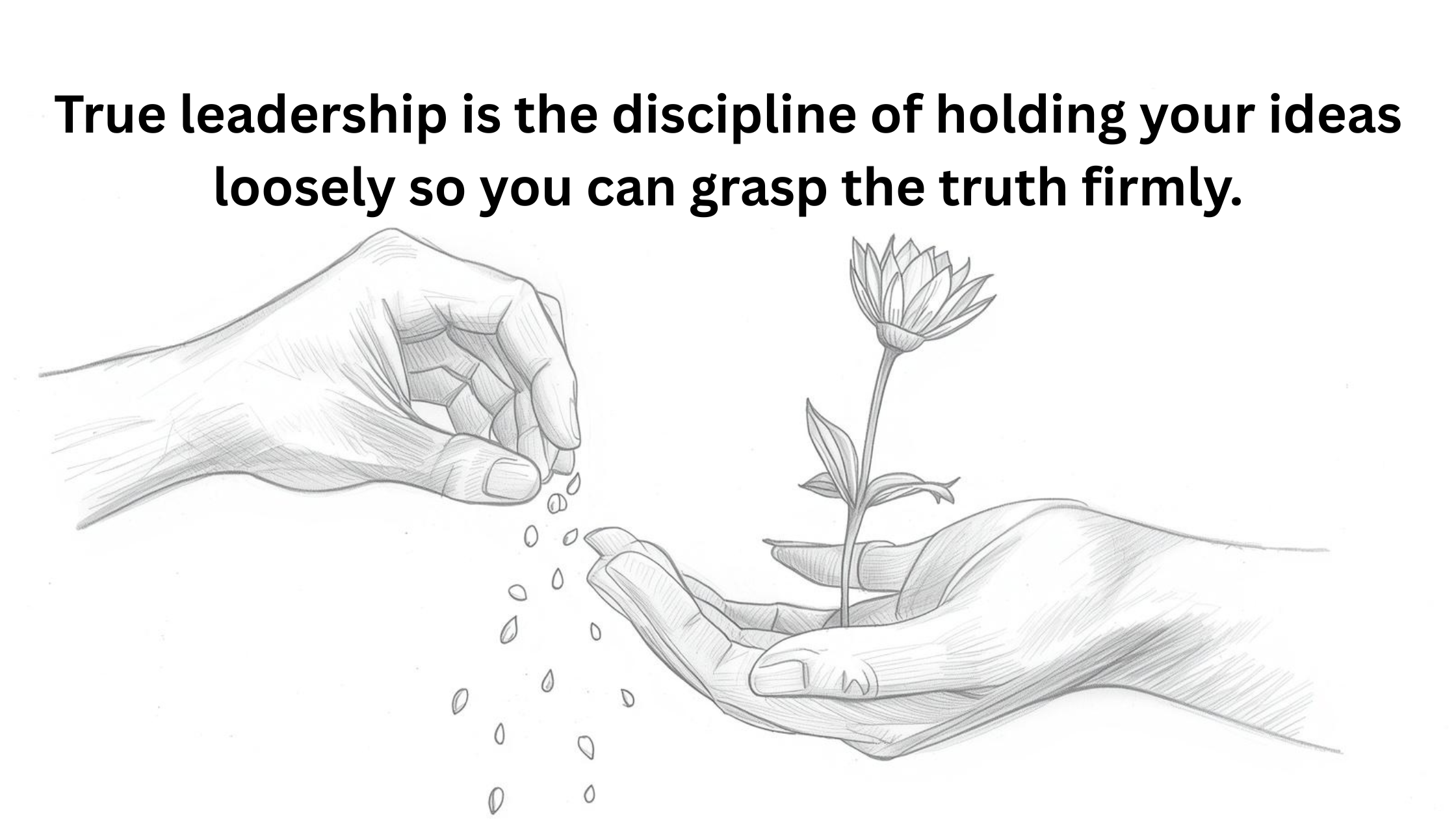
This shows humility and a willingness to consider alternative viewpoints.
It can diffuse tension and pave the way for a more collaborative approach.
Sometimes, pushback reveals blind spots in our own thinking or flaws in our plans.
Be willing to adapt or even change course based on new information or perspectives.
This demonstrates strategic-thinking and a commitment to the best possible outcome, even if it means adjusting your initial vision.
Admitting a mistake can build trust, showing you're not driven by ego.
Maintaining Composure
Remaining calm and composed under pressure is essential.
Avoid reacting defensively or taking things personally.
Remember that pushback is often about the idea or the proposed action, not about you as an individual.
Taking a moment to breathe and gather your thoughts can prevent an emotional response that could escalate the situation.
Do not forget your boundaries.
Constructive feedback can be invaluable, but it should not cross the line into disrespectful or personal attacks.
Address the behavior directly and firmly, reminding everyone of the importance of maintaining a professional and respectful environment.
Set the example by modeling respectful communication, even in the face of disagreement.
Effectively managing pushback requires a combination of self-awareness, empathy, and clear communication.
By viewing resistance as an opportunity for growth and dialogue, leaders can foster a more collaborative and resilient team.Discipline ensures that responses are thoughtful and measured, contributing to a more productive and respectful work environment.