
The Leader Who Learned to See the Whole Player
3 mins read
The Balance Behind the Desk
On a quiet Tuesday morning, Mara, a department lead known for her calm presence, invited her newest team member, Joel, into her office.
She had already noticed his sharp analytical mind, his greatest strength, but she had also seen how that same strength narrowed his attention until he missed the broader context.
His reports were accurate down to the decimal, but conversations with teammates revealed a pattern: Joel often reacted quickly, especially under stress, and overlooked the emotional temperature of the room.
Mara had spent years learning the weight of balancing people's capabilities with their vulnerabilities.
She knew that leaning too heavily on praise distorted someone's perception just as much as ignoring their strengths altogether.
Her goal was simple: help Joel understand himself without defensiveness or retreat.
A Conversation That Shifted the Course
As they spoke, Mara asked more questions than she gave directions.
It was a habit she built after recognizing how much leaders gain by listening to the front line.
Joel described how he prided himself on precision.
When she asked where he felt less steady, he hesitated before admitting that he sometimes lost track of the human side of collaboration.
Mara didn't offer a lecture.
Instead, she shared a story from her early career, how discipline, practiced daily, sharpened her ability to pause during tense moments, keeping her grounded in emotional control.
The room softened.
Joel leaned in.
For the first time, he considered that the areas he viewed as weaknesses weren't failings, they were simply underdeveloped strengths waiting for direction.
Strengths, Weaknesses, and the Space Between
Over the next month, Mara watched Joel evolve.
She paired him with colleagues whose strengths complemented his own.
She encouraged him to observe how a teammate conveyed humility in meetings, and how another used steady discipline to stay present during moments of pressure.
Every Friday they met briefly to reflect, exploring choices he made, reactions he managed, and the influence he hoped to build.
This rhythm gave Joel something he hadn't experienced before, a sense of perspective.
His strength in analysis didn't disappear.
It expanded.
Instead of using it as a shield, he began using it as a tool to better understand people, conversations, and situations.
His awareness grew quieter, deeper, and more intentional.
When Growth Becomes Influence
By the end of the quarter, others began to notice Joel's shift.
A colleague mentioned how he stayed centered during a moment of team-wide tension, responding with a level tone that reminded Mara of the early signs of true influence.
Another commented on how he gave thoughtful feedback, something he once avoided.
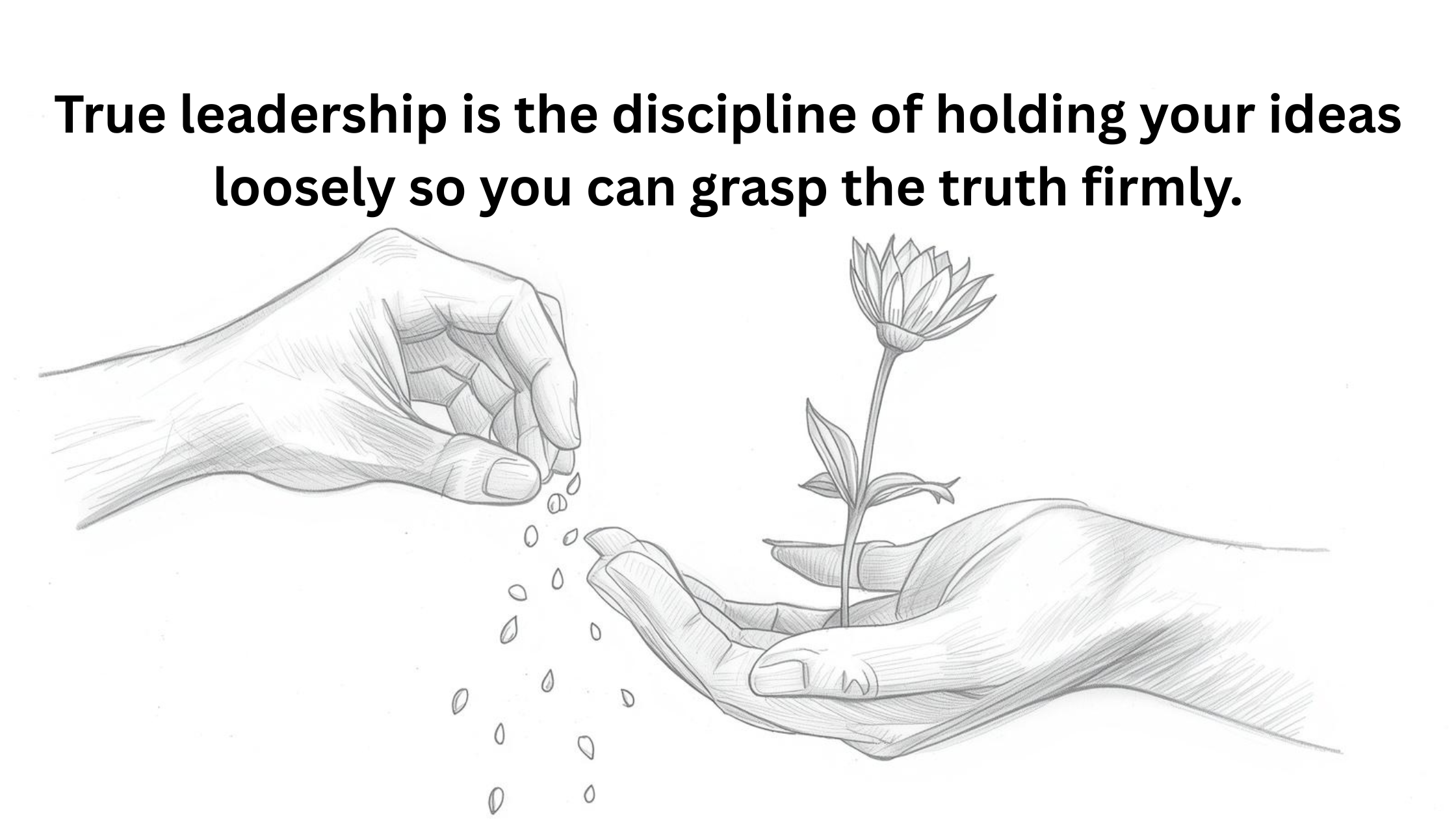
Mara realized something: leadership development isn't about magnifying what someone already excels at or fixing what's broken.
It's about helping them access the full range of who they can become.
Strengths provide momentum, weaknesses provide clarity, and self-awareness stitches the two together into something sustainable.
In guiding Joel, she rediscovered a truth she'd learned many times, managing strengths and weaknesses is never a formula.
It's an ongoing practice of paying attention, staying present, and encouraging growth that feels both challenging and achievable.
And in that steady balance, real leadership takes root.