
The Leader Who Holds Too Tightly
3 mins read
The Cost of Holding Too Tightly
Micromanagement often emerges from a place of responsibility.
Leaders want outcomes they can stand behind, and the simplest path seems to be hovering over every task.
Yet this approach quietly erodes confidence and weakens the trust that teams rely on.
When a leader takes on unnecessary control, they often feel the strain as a form of stress, carrying a weight that was never meant to rest on one set of shoulders.
Many leaders who micromanage believe they are demonstrating care or diligence.
In reality, the behavior creates distance rather than connection.
Teams begin holding back ideas, stepping away from ownership, and questioning whether their contributions matter.
Without realizing it, the leader disrupts the flow of truthfulness and openness that are central to healthy work.
Trust as a Leadership Discipline
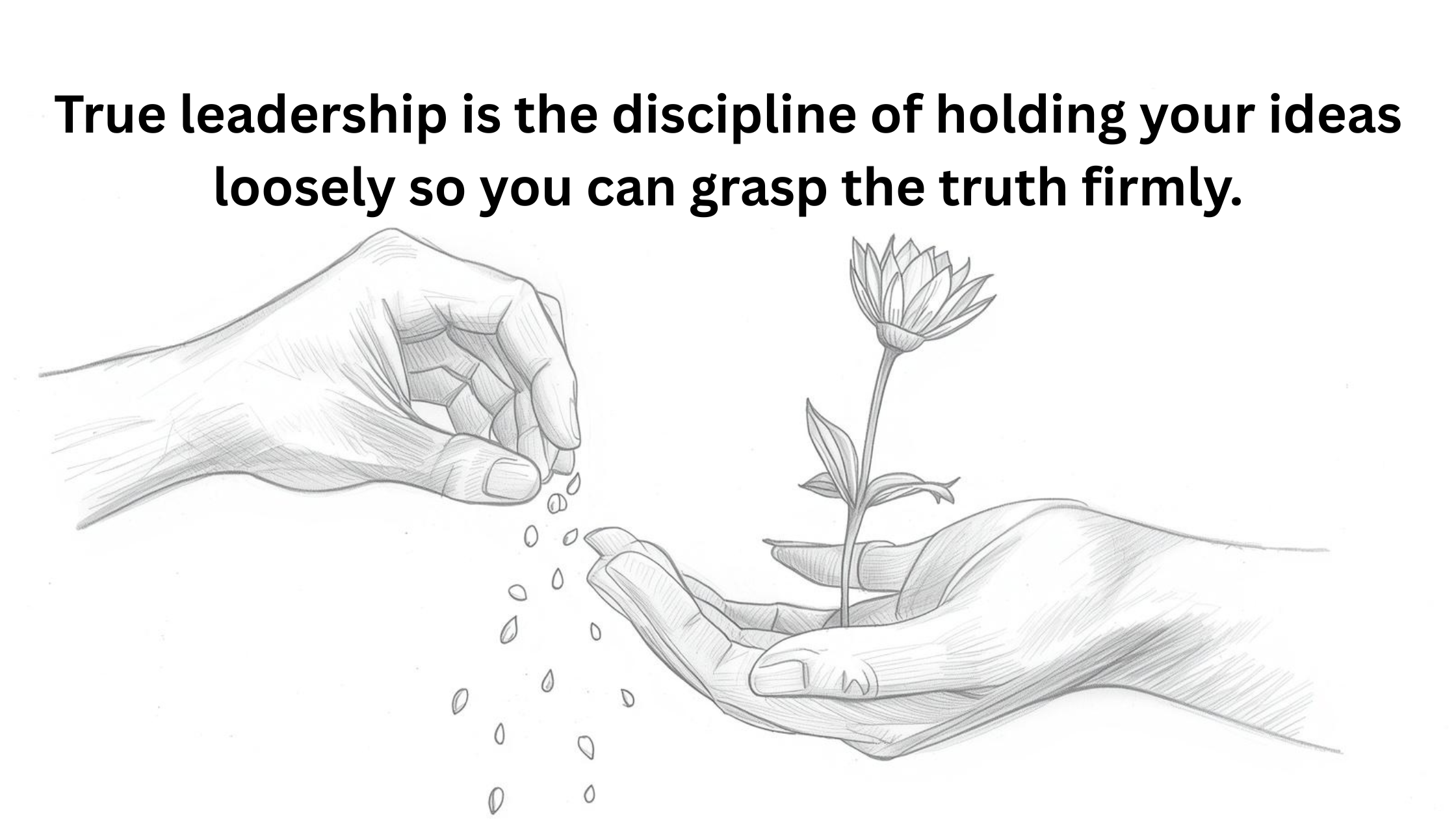
Releasing control is an intentional practice, much like discipline.
It strengthens a leader's ability to prioritize outcomes over personal comfort.
Trusting others does not mean lowering standards; it means elevating people by giving them room to meet those standards with their own initiative and judgment.
Leaders who loosen their grip often discover that their team already has the capability they were searching for.
When employees are supported instead of managed at every turn, they engage more deeply and contribute more fully.
This shift also reinforces the spirit of building trust that anchors sustainable leadership.
Seeing People as Capable Partners
Micromanagement sends a subtle message: "I don't believe you can do this without me." Over time, that message limits growth for everyone involved.
Leaders must learn to observe without overshadowing, stepping back with an intentional detachment.
This space allows individuals to gain confidence, make decisions, and strengthen their own skills.
Developing this perspective requires humility.
When leaders admit they do not need to be the single source of direction, others rise.
Letting team members experiment, stumble, and succeed gives them the chance to grow into roles with greater autonomy.
Leading with Clarity and Calm Authority
Clear expectations reduce the urge to micromanage.
When a leader communicates outcomes, purpose, and boundaries, teams move with confidence.
This clarity supports smoother decision-making and creates an environment where accountability emerges naturally.
Calm authority also shapes how leaders respond when tasks veer off course.
Instead of stepping in immediately, they focus on guiding through correcting behaviors rather than controlling every action.
This approach reinforces growth without overwhelming the team or the leader.
Creating the Conditions for Real Ownership
Teams thrive when leaders allow them to contribute in meaningful ways.
Letting go of excessive control empowers individuals to act with confidence and take responsibility for their work.
It encourages them to bring forward insights that might otherwise remain unspoken, something deeply connected to the value of listening to the front line.
Leaders who shift away from micromanagement find their influence growing rather than shrinking.
They become guides instead of bottlenecks, partners instead of overseers.
By staying grounded, steady, and purposeful, they create an environment where excellence emerges from shared effort rather than constant oversight.