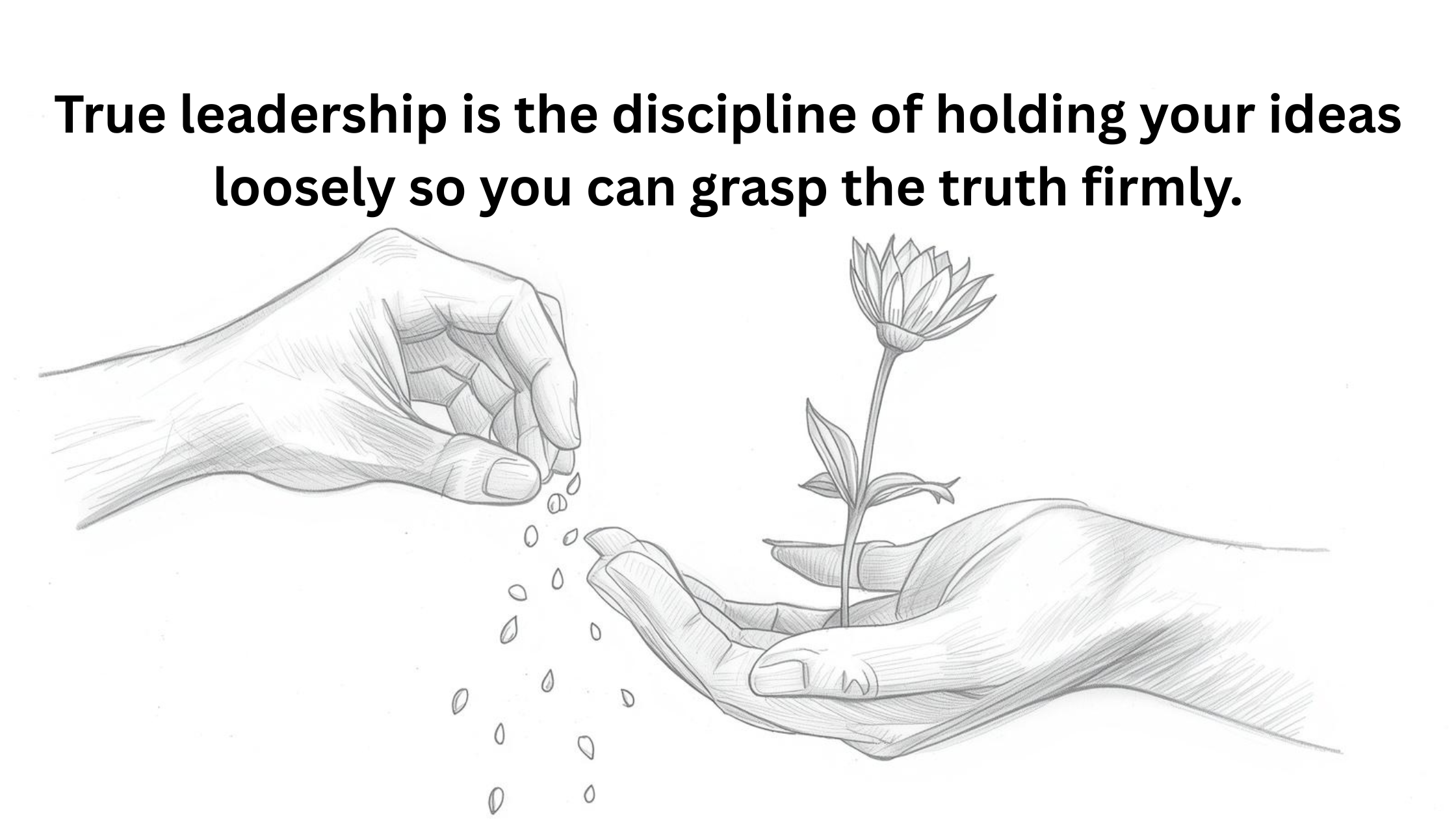

Harnessing Strengths, Fortifying Weaknesses: A Leader's Path to Equilibrium
3 mins read
In the pursuit of leadership excellence, it's tempting to focus solely on what we do well.
We amplify our strengths, showcase our talents, and naturally gravitate towards tasks where we excel.
However, true leadership isn't about maximizing only our capabilities; it's about understanding the entire landscape, including the areas that need improvement.
It's about achieving equilibrium.
This requires a clear-eyed assessment of both strengths and weaknesses, a willingness to confront shortcomings, and a commitment to continuous growth.
It involves building systems and teams that complement individual limitations, transforming potential vulnerabilities into opportunities for learning and development.
A lack of discipline can also be seen as an imbalance.
The Power of Self-Awareness
The journey begins with self-awareness.
Leaders must be honest about their own strengths and weaknesses.
This isn't always easy.
It requires humility and a willingness to confront difficult truths.
What are the tasks you consistently avoid?
Where do you find yourself struggling?
What feedback, even subtle, have you received that suggests areas for growth?
Acknowledging these weaknesses isn't a sign of failure, but an act of truthfulness.
It allows you to take proactive steps to address them.
This might involve seeking out training, delegating tasks to others with complementary skills, or simply being more mindful of your limitations and implementing strategies to mitigate their impact.
It may require you to delegate more, or learn to improve your decision-making.
Leveraging Strengths, Compensating for Weaknesses
Once you have a clear understanding of your strengths and weaknesses, you can begin to leverage them strategically.
Delegate tasks that fall outside your area of expertise to individuals who excel in those areas.
Empower your team to take ownership of their strengths, creating a synergistic environment where everyone can contribute their unique talents.
At the same time, don't ignore your weaknesses.
Instead, find ways to compensate for them.
Build systems and processes that minimize the impact of your shortcomings.
Seek out mentors or advisors who can provide guidance and support in areas where you struggle.
Embrace continuous learning, always striving to improve your skills and expand your knowledge.
Hold yourself and others to accountability.
Building a Resilient Team
Managing strengths and weaknesses is about building a resilient and adaptable team.
A team where individuals complement each other's skills, where weaknesses are mitigated by collective strengths, and where everyone is committed to continuous growth.
This requires fostering a culture of open communication, building trust, and creating a space for vulnerability.
When leaders demonstrate a willingness to acknowledge their own limitations, it empowers others to do the same.
This creates a more authentic and collaborative environment, where individuals feel comfortable sharing their challenges and seeking help when needed.
This can create a team that is flexible in managing stress that may come up.
In turn, this fosters a strong bond.
By embracing this balanced approach, leaders can unlock their full potential, build stronger teams, and drive sustainable success.
It's a journey of self-awareness, continuous improvement, and unwavering commitment to excellence.