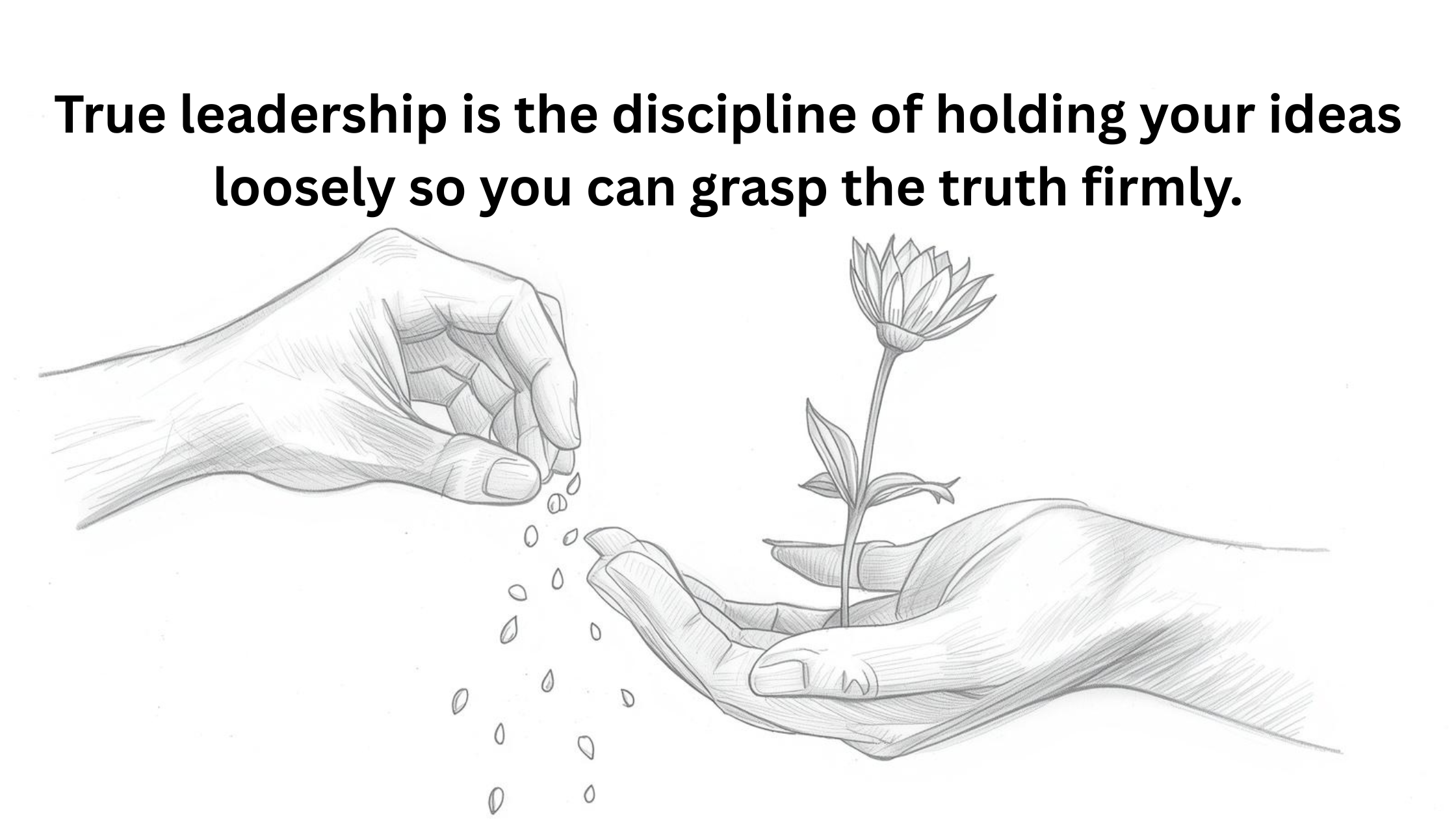

Truthfulness as Quiet Authority in Leadership
2 mins read
Truthfulness in leadership is less about disclosure and more about alignment.
Teams watch closely for consistency between what is said and what is done.
When leaders speak honestly and follow through with matching behavior, they remove uncertainty from the environment.
This steadiness reduces unnecessary friction and allows people to focus their energy on meaningful work rather than interpretation or speculation.
Leaders who practice truthfulness understand that clarity is an obligation, not a courtesy.
Clear expectations, clear feedback, and clear decisions prevent the slow erosion of trust that often accompanies avoidance or half-statements.
This is where truthfulness reinforces accountability, not as enforcement, but as shared understanding of what matters and why.
Truthfulness Builds Trust Without Force
Trust grows fastest when leaders resist the urge to manage perception.
Truthful leaders do not need to control every narrative because their behavior consistently supports their message.
Over time, this consistency becomes authority in itself, similar to the influence gained by leaders who lead by example.
People follow not because they are persuaded, but because the ground beneath them feels stable.
Truthfulness also limits the damage caused by overreach.
When leaders drift toward excessive oversight, trust thins quickly.
Honest communication about intent, constraints, and uncertainty prevents the kind of suspicion that often accompanies micromanagement.
Transparency signals respect for the team's capacity to think and act responsibly.
Truthfulness Requires Inner Discipline
Being truthful is easiest when circumstances are calm and hardest when pressure rises.
Under strain, leaders may be tempted to soften reality or delay difficult conversations.
Yet restraint and composure allow leaders to speak plainly without emotional charge.
This steadiness protects credibility and keeps decisions anchored, even when navigating stress or resistance.
Truthfulness is strengthened by humility.
Leaders who are not preoccupied with appearing flawless can acknowledge gaps, invite perspective, and adjust course without defensiveness.
This openness encourages teams to surface real issues early, reinforcing the habit of listening to the front line before problems compound.
When Truthfulness Becomes Culture
Over time, truthfulness shifts from a leadership trait to an organizational norm.
Conversations become shorter, decisions clearer, and feedback less charged.
People learn that honesty is not punished but expected.
In such environments, trust no longer depends on reassurance; it is sustained by repeated proof.
Truthfulness acts like a steady signal during uncertainty.
It does not eliminate difficulty, but it prevents confusion from multiplying it.
Leaders who commit to truth create teams that move with confidence, grounded in reality rather than reassurance.
This is how trust endures, and how leadership gains weight without raising its voice.