
The Strength of Subtle Leadership
2 mins read
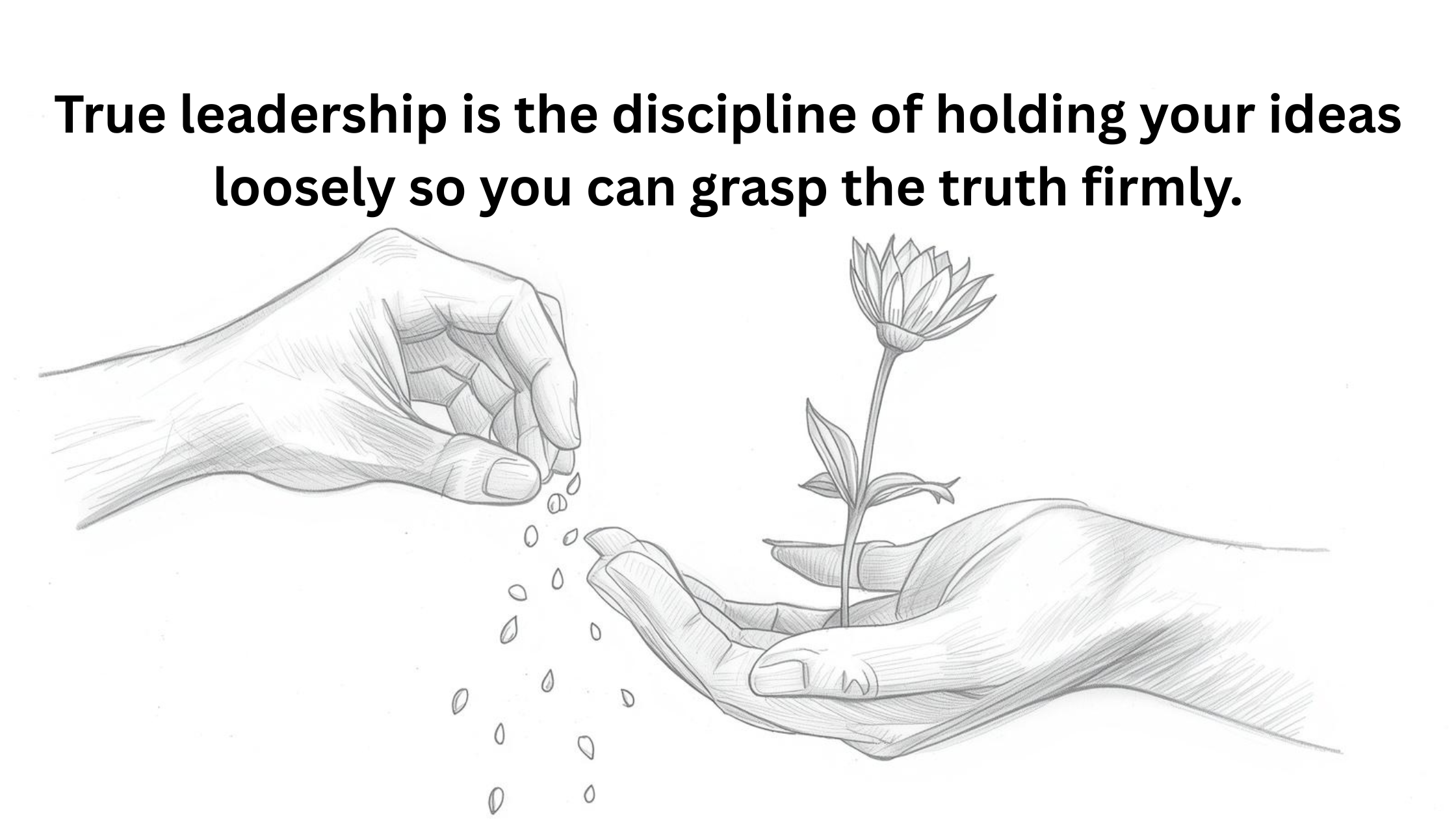
Subtle leadership operates below the surface. It favors timing over volume and precision over performance. Leaders who act this way understand that every word and gesture carries weight, so they choose carefully. This restraint creates space for others to think, contribute, and take ownership, reinforcing accountability without needing constant reminders.
Influence Without Noise
When leaders communicate with nuance, they avoid triggering defensiveness. A brief question can redirect a meeting more effectively than a long explanation. A pause can restore order faster than a raised voice. This approach stands in contrast to habits like micromanagement , which signal distrust and shrink initiative. Subtle leaders trust the process they have built and intervene only when it matters.
Acting quietly also strengthens authority through example. Teams watch what leaders tolerate, reward, and model. By consistently leading by example , leaders set expectations without issuing commands. This steadiness invites respect rooted in humility , where confidence shows up as calm consistency rather than display.
The Discipline of Restraint
Subtle leadership requires control over impulse. Leaders feel the same pressures as everyone else, yet they choose responses that serve the moment rather than their emotions. This practiced distance resembles detachment , allowing clearer judgment when stakes are high. It also makes room for listening to the front line , where valuable signals often arrive quietly.
Over time, teams learn that recognition will come through giving credit and correction will be measured and clear. Boundaries are maintained with discipline , not theatrics. Trust compounds because people know where they stand and how decisions are made. In this environment, influence grows naturally, proving that subtle leadership can move organizations further, with less friction and greater durability.

The Power of Accountability in Leadership
Accountability is the cornerstone of influential leadership, shaping team culture and trust. Owning decisions and driving consistent performance elevates credibility and impact. Learn how to embed accountability into every action.
The Silent Killer of Trust: How Micromanagement Erodes Leadership from Within
Micromanagement may start with good intentions but quickly suffocates creativity and trust. Shifting from control to empowerment unlocks true potential and strengthens your team. Explore strategies to lead without micromanaging.
The Steady Authority of Example
Leadership speaks louder through action than words. Modeling the standards you expect builds trust, shapes culture, and teaches more than directives ever could. Learn how to lead by example effectively.
The Deep Impact of Humility in Leadership
True influence comes from humility, not infallibility. Embracing limitations and prioritizing your team transforms authority into trust and sustainable success. Discover why humility strengthens leadership.
The Power of Detachment in Leadership
Detachment allows leaders to stay clear-headed and trusted in chaos. Observing before acting cultivates resilience and grounded influence. Discover how to lead with calm detachment.
Why Leaders Must Listen to the Front Line
Front-line employees see realities often hidden from reports. Listening to them provides insights that strengthen decisions and protect organizational trust. Learn why the front line is key to leadership success.
The Leadership Value of Giving Credit
Recognizing others' contributions transforms team dynamics and trust. Generous acknowledgment is both strategic and essential for effective leadership. Discover the impact of giving credit well.
Discipline: The Authority of Focused Leadership
Discipline shows in private habits and consistent focus. It creates authority and progress without force or noise. Learn how disciplined leadership drives results.